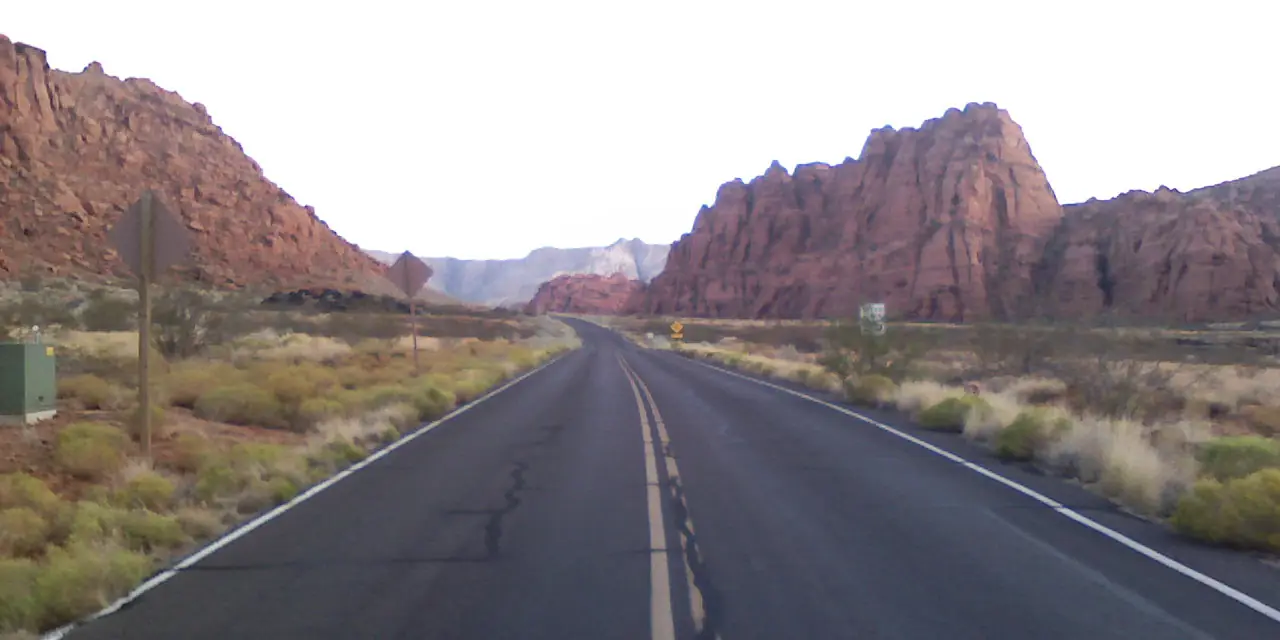

The FAQ calls spring (February through May) and fall (September through November) the peak season. Those are the months most people want for hiking, which is also why they are the months to expect company. Park rules say parking is limited in the canyon, particularly during busy spring and fall periods or holidays, and that your pass does not guarantee a space. We are not turning that sentence into a percentage. “Limited” is the park’s word.
Time of day is the lever you control. The gate opens at 6 a.m. A holiday afternoon in April is a different lot than a Tuesday at opening, even though the park never prints those two counts side by side. Arriving at opening is a planning habit, not a statistic. In summer the same early hour is also the safe hiking window, because hard effort is supposed to stop by 11 a.m. Midday summer trails may look quieter for the obvious reason that the park told people not to be out there. That is heat management, not a crowd forecast. Do not hike at 2 p.m. because you hope the trails are empty.
Weekday versus weekend: we will not invent a “Saturdays are twice as busy” line. What is published is the holiday and peak-season parking warning. If your dates are flexible, a non-holiday weekday in the peak months is the reasonable guess, and it is still a guess. Johnson Canyon cannot absorb overflow from March 15 through September 14, because it is closed except for ranger-guided hikes. Plan on the trails that are actually open.
There is no shuttle and no timed-entry ticket for this state park. The crowd tool is simply when you arrive and which short trail you pick if the main lots are tight. Exterior lots named by the park, including the scenic overlook, Whiterocks, and Chuckwalla, use the same day-use fee. They are not a secret free zone. Read current conditions in case a lot or trail is closed. Seasons in more detail: when to go. Fees: fee guide.