.jpg)
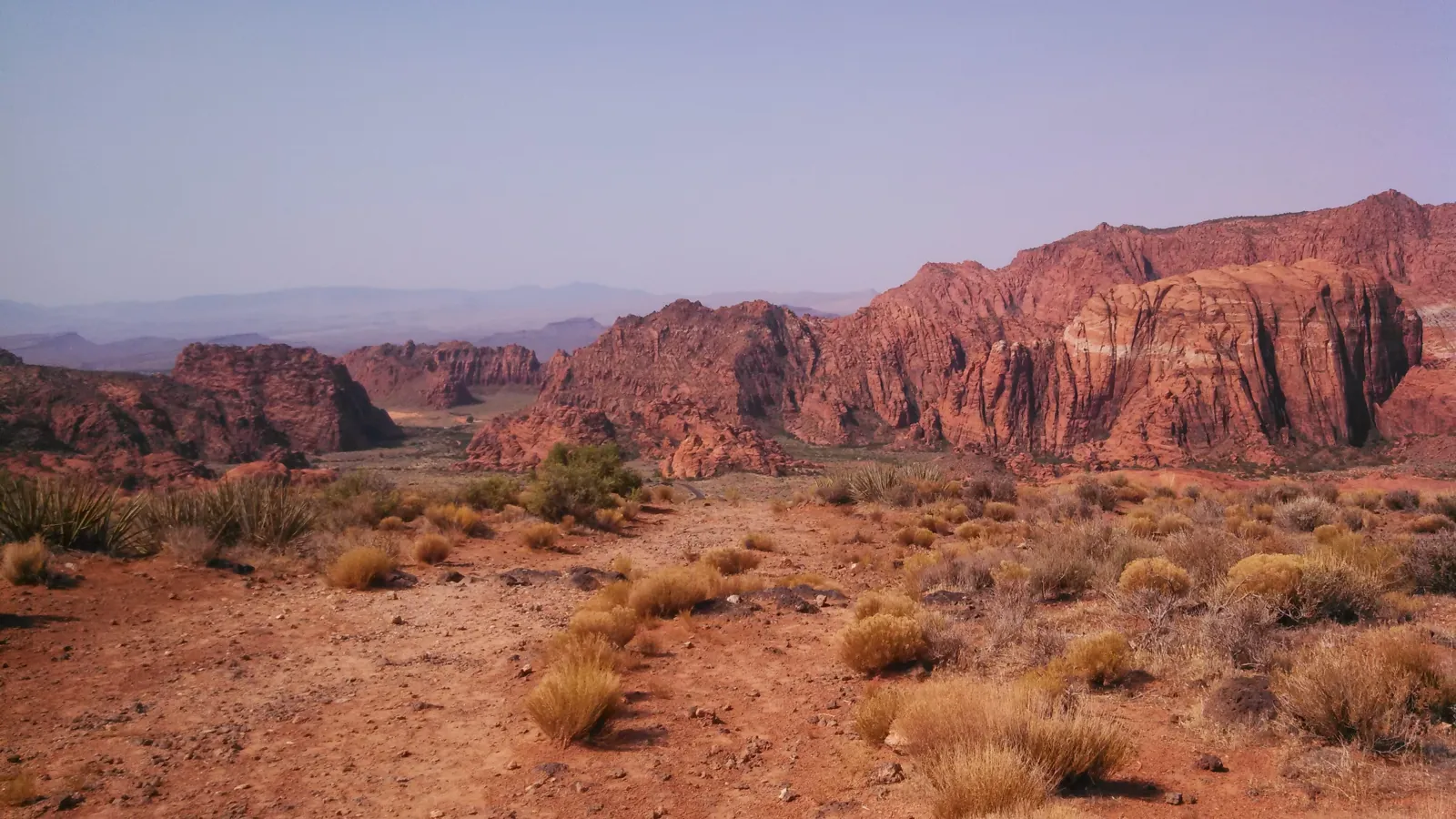
Snow Canyon does not close for winter and does not take a summer break. Utah State Parks lists day-use and the campground as open year-round, 6 a.m. to 10 p.m. daily, with no holiday closures on the 2026 brochure. “Open” is not the same as “pleasant to hike.” The FAQ names the peak season as spring, February through May, and fall, September through November. Those are also the seasons the park calls best for wildlife viewing. Common sightings include rock squirrels, antelope ground squirrels, cottontails, ravens, scrub jays, turkey vultures, and small lizards. Tortoises, Gila monsters, snakes, falcons, and owls are less often seen. None of that is a guarantee on a given morning.
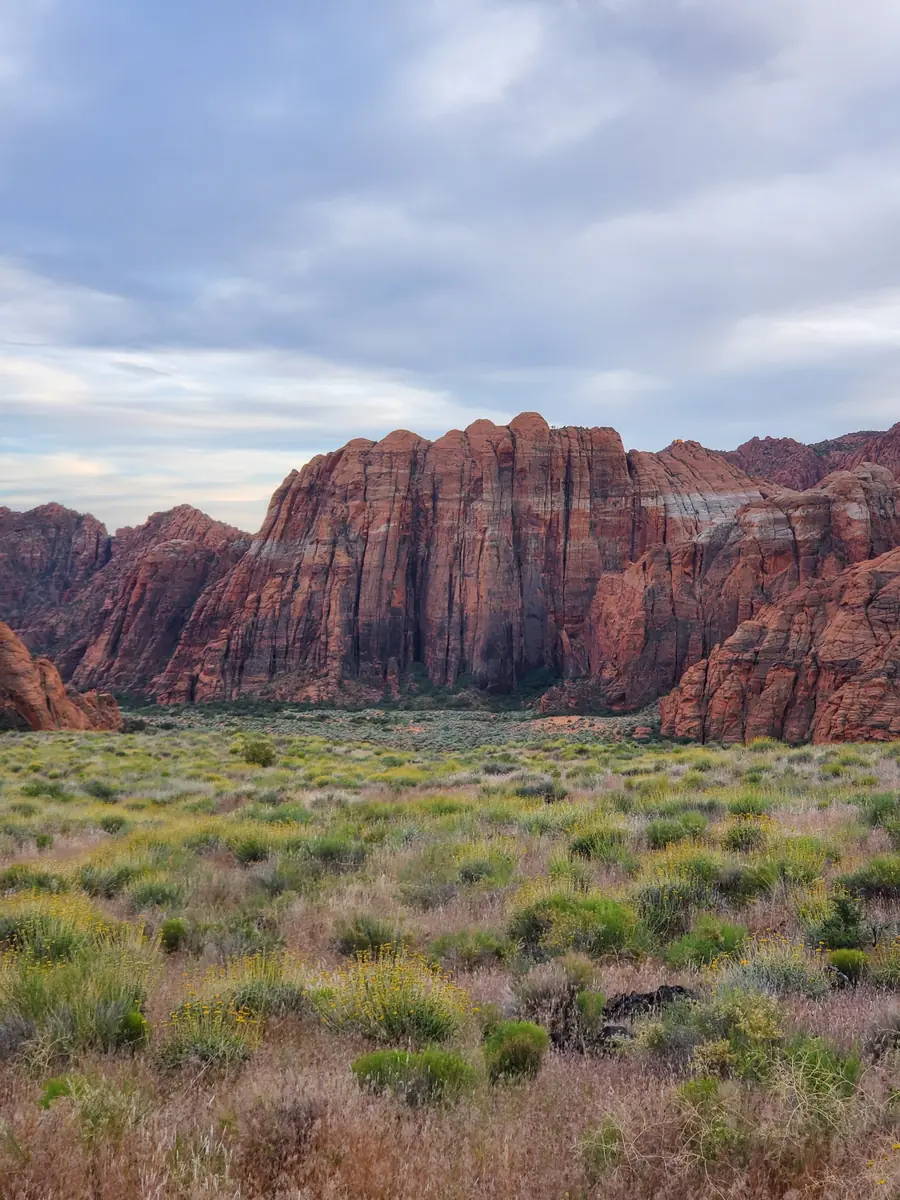
Spring is the season most St. George trips are built around, and it is also when the park warns that parking gets tight, especially around holidays. Wildflowers and milder air are the draw. You can still get a hot afternoon, so the early start habit is useful before summer officially arrives. Johnson Canyon’s seasonal closure begins March 15. If that canyon was the reason for the trip, come before then or after September 14, or join a ranger-guided hike during the closure. Arch Canyon canyoneering permits, on the park’s permit page, are only sold from September 15 through March 14. Island in the Sky permits are offered year-round. Those are technical routes, not casual walks.
Summer is a desert season, not a mild one. Plan on the heat and water rules in the heat guide: avoid hard effort from 11 a.m. to 7 p.m., and carry the park’s hourly water minimum. The current-conditions page also flags monsoon-season flash floods, typically July through September. A summer visit can still be a good scenic drive, a short early walk, and a picnic. It is a poor time to invent a long midday loop because the campground was available. Camping reservations are recommended in busy seasons. Online booking runs from 48 hours out to 4 months ahead; inside 48 hours is walk-up only. Details are on the reservations page.
Fall gives back the hiking hours. September still carries monsoon risk and the tail of the Johnson Canyon closure until the 14th. October and November are the months when a full trail day is more realistic without starting in the dark. The park does not publish a single “best week.” If your priority is fewer people, read the avoid-crowds notes. If your priority is comfortable walking, fall and the earlier part of spring are the periods the park itself highlights.
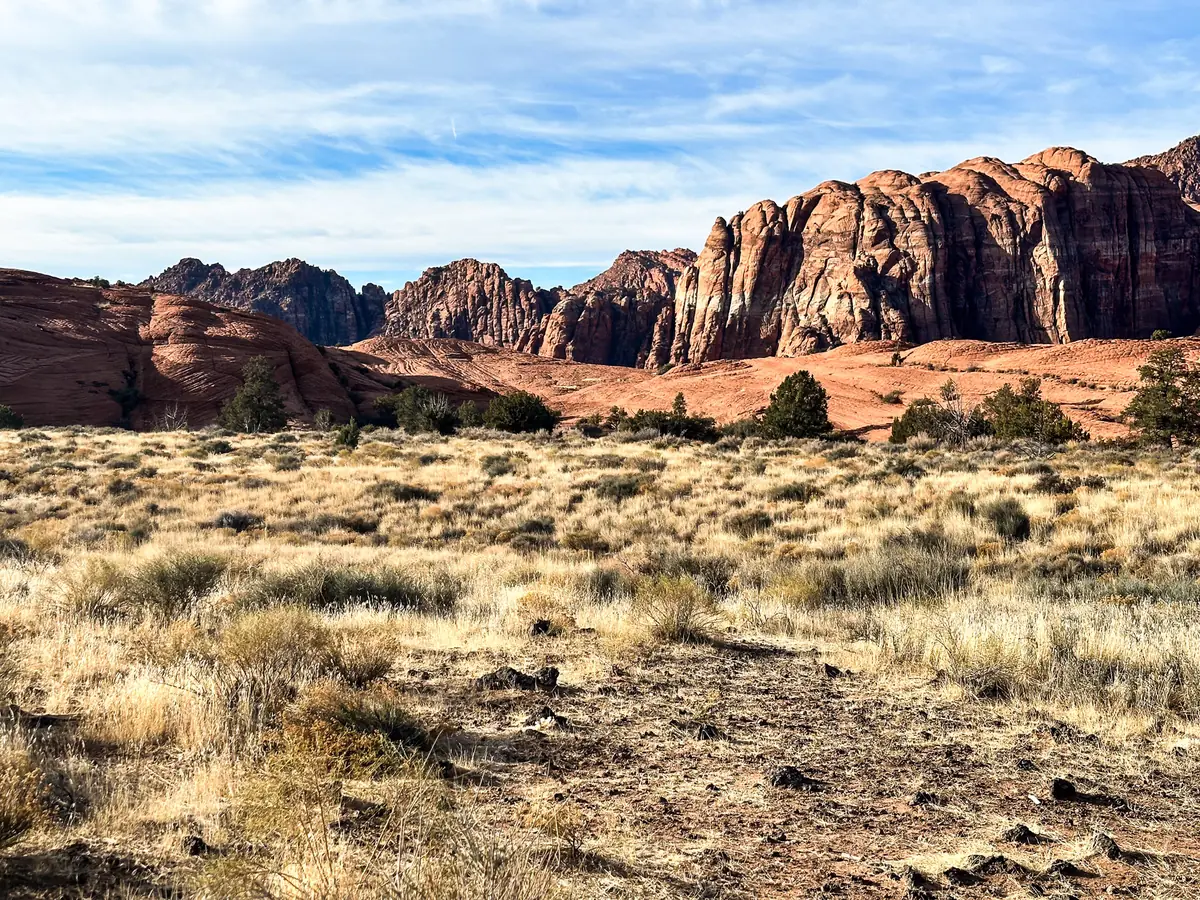
Winter stays open. We are not going to invent a snowfall average or a typical January high, because the park page does not print one in the sections we checked. What is published is the same gate hours, a campground that does not close for the season, and trails that can be icy or muddy after a storm. Check current conditions the week you travel. Day-use fees still apply in every season, including a drive-through. The fee table is on the how the fee works guide and on the official fees page.


Practical takeaway
For hiking comfort, aim for February through May or September through November, and treat March 15 to September 14 as the season Johnson Canyon is closed except on a ranger-led hike.
Related on this site: Hiking and park tips, day-pack loadout, and a sample trip plan. More guides: guides index.
Quick FAQ
When is the best season for wildlife?
The park says spring and fall are the best seasons for viewing wildlife.
Is the park open year-round?
Yes. The park is open 6 a.m. to 10 p.m. year-round, and the brochure says there are no holiday closures.
When is monsoon season?
The park says it typically runs July through September, with potential for heavy afternoon rain and flash floods.