.jpg)
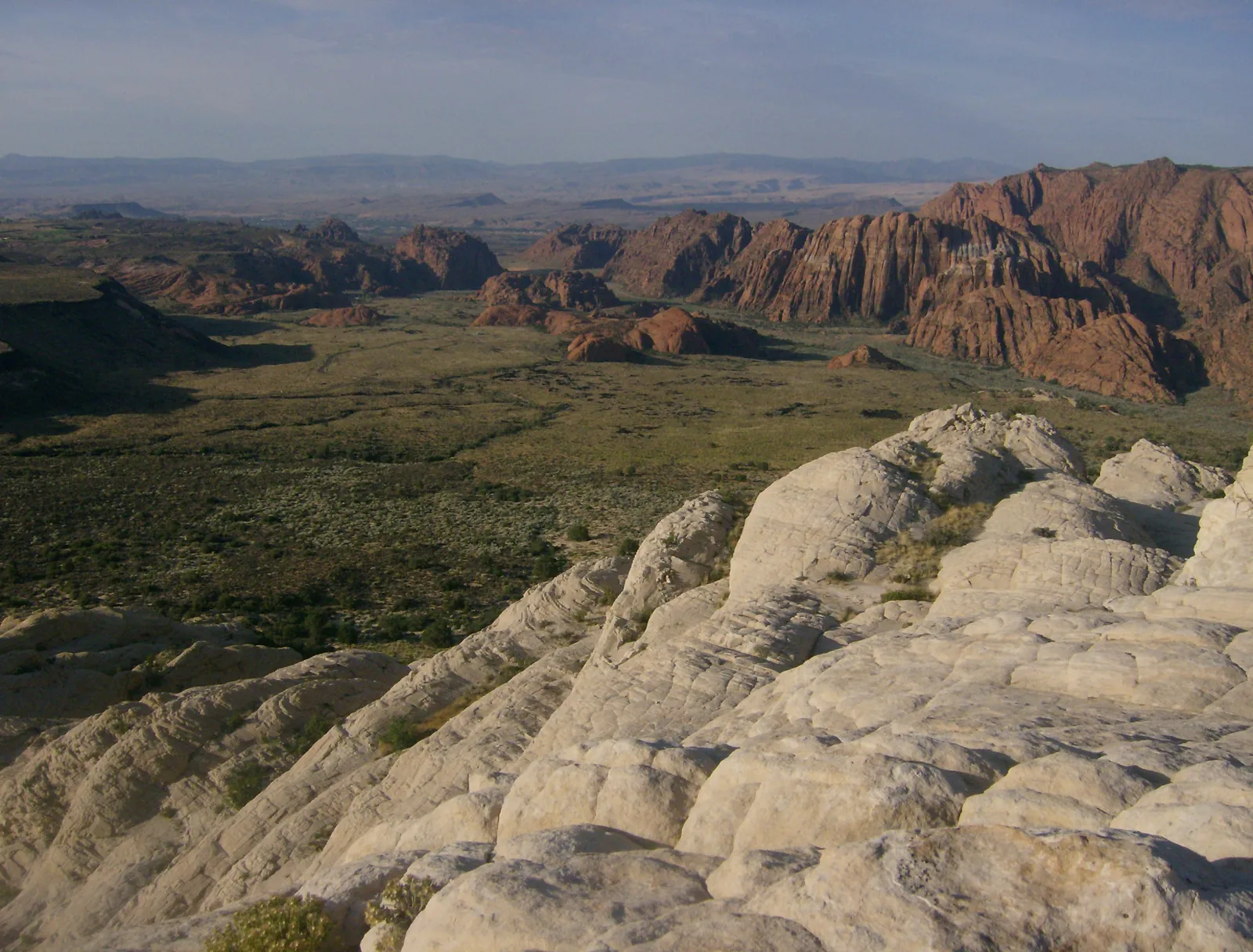
Snow Canyon is a 7,400-acre park inside the 62,000-acre Red Cliffs Desert Reserve, which was established to protect the federally listed desert tortoise and its habitat. That is why the trail rules here are stricter than at many parks.
Desert tortoise
- Tortoises are seen occasionally throughout the park. Spring and fall are the best seasons; in summer and winter they are in underground burrows.
- Baby tortoises are small and can look like rocks. Watch the road and keep to the 25 mph limit.
- It is unlawful to harass or collect tortoises. The park allows one exception: moving a tortoise off the road when you can do it safely.
The park’s steps for a tortoise on the road:
- Stop your car in a safe place.
- Slowly approach the tortoise, noting the direction of travel.
- Pick it up with both hands and hold it level, in its normal walking position.
- Carry it across the road in the same direction, at least 50 feet from the roadway.
- Report what you saw to park staff.
Do not pick up a tortoise anywhere else. The park explains that a tortoise approached by a dog may release its stored water as a defense, which can leave it dangerously dehydrated.
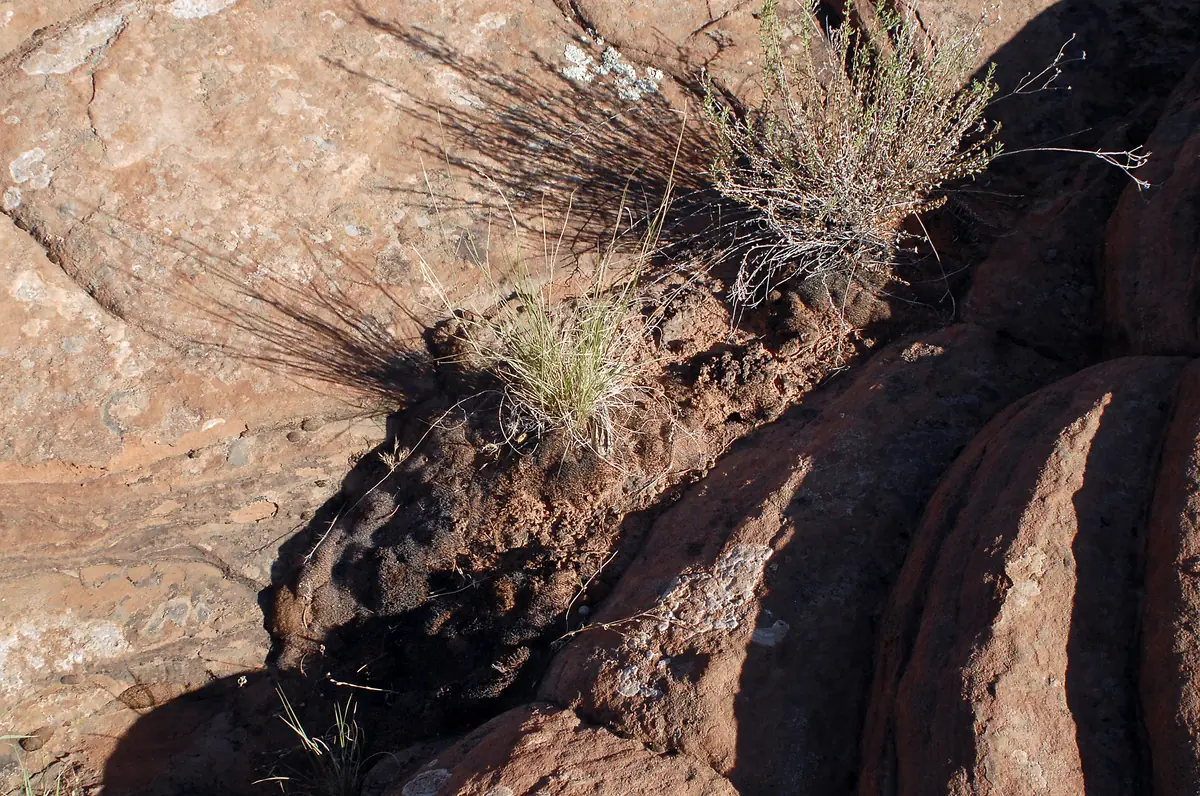

Biological soil crust
The park says off-trail hiking disrupts the cryptobiotic crust that holds the sandy soils in place, damages fragile desert plants, and can collapse burrows that wildlife use to escape the heat. Footprints last a long time and pull other people off trail, which is how illegal trail networks start.
Where you may and may not leave the trail
- Mapped trails only, for people and dogs, everywhere in the park.
- Designated scrambling areas: Galoot Hill, Petrified Dunes, and the Whiterocks area. On the Petrified Dunes you may explore the sandstone surface, but avoid stepping on plants.
- Sand Dunes: once you are on the dunes themselves, the park says you do not have to follow the mapped route.
- Campground cliffs: no hiking or scrambling.
- Don’t move rocks, cut plants, write on rock, or build cairns.
.jpg)
Other wildlife
Commonly seen animals include rock squirrels, desert cottontails, ravens, scrub jays, turkey vultures, and whiptail and side-blotched lizards. The park lists 11 snake species, two of them venomous (the Great Basin rattlesnake and Mojave sidewinder), and says snake encounters are rare. Give every animal space; wildlife may not be approached or handled.
Related: trail etiquette and dogs, Junior Ranger, photography rules.
Quick FAQ
When am I most likely to see a desert tortoise?
Spring and fall. The park says tortoises are in underground burrows in summer and winter.
Can I move a tortoise?
Only off the road, when it is safe, following the park’s steps. Otherwise it is unlawful to harass or collect tortoises.
Where can I leave the trail?
Only in designated scrambling areas (Galoot Hill, Petrified Dunes, Whiterocks) and on the Sand Dunes themselves. Everywhere else, stay on mapped trails.