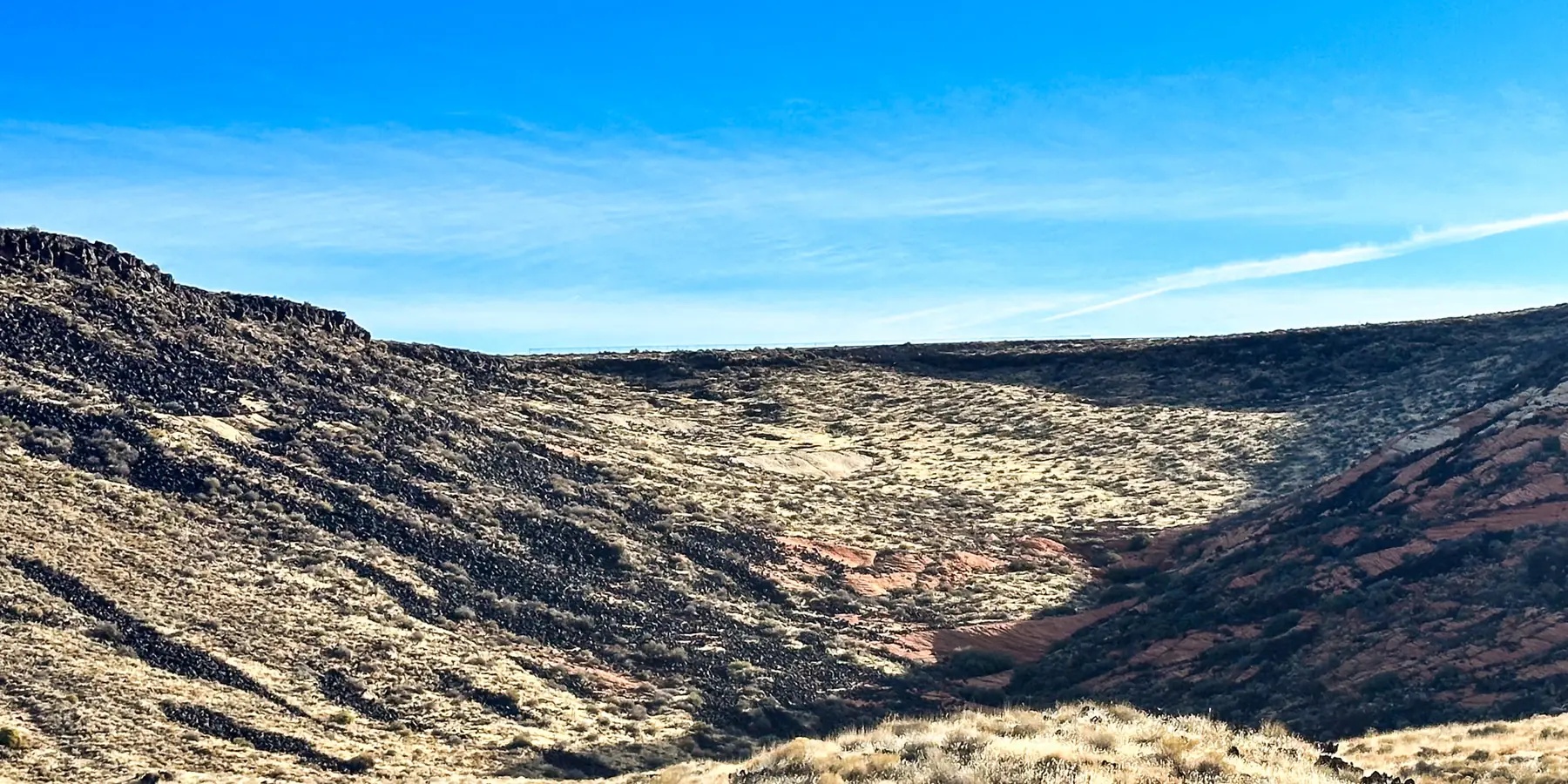

The park is open 6 a.m. to 10 p.m. daily. In July and August the current conditions page says daytime temperatures frequently top 105°F, and it asks you to skip hard effort from 11 a.m. to 7 p.m. The September 2026 brochure instead says 11 a.m. to 6 p.m. Follow the conditions page on the day you go. A summer “day” is an early walk plus a drive. A spring or fall day can hold more trail. For even shorter visits, see by time.
Half day (about 3–4 hours)
- Arrive near the 6 a.m. opening and pay the day-use fee at the entrance station.
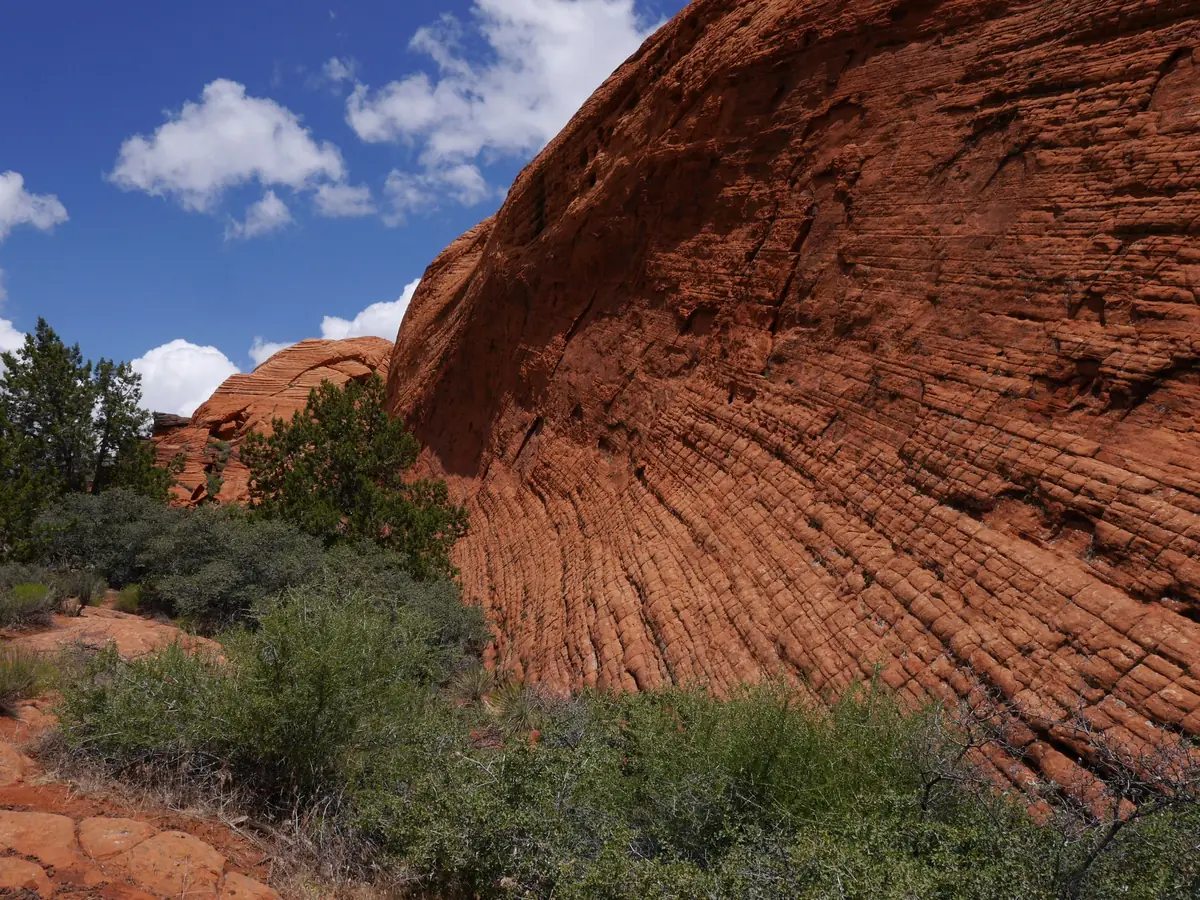
- Walk Jenny’s Canyon (about 0.5 mile round trip, easy), then Pioneer Names (same length, the most shade of any park hike).
- If everyone still has water and it is not hot, add Petrified Dunes (about 1.2 miles, moderate, little shade).
- Finish with the scenic drive and be off exposed trails before 11 a.m. in summer.
Carry: the Day Hike kit. Summer: add the Desert Heat kit.
.jpg)
One day
Start near the 6 a.m. opening so you are walking while the rock is cooler and the lots are less likely to be full. The park says parking is limited in spring, fall, and on holidays, and that a pass does not hold a space. Pay the day-use fee at an entrance station. Details are on parking and fees.
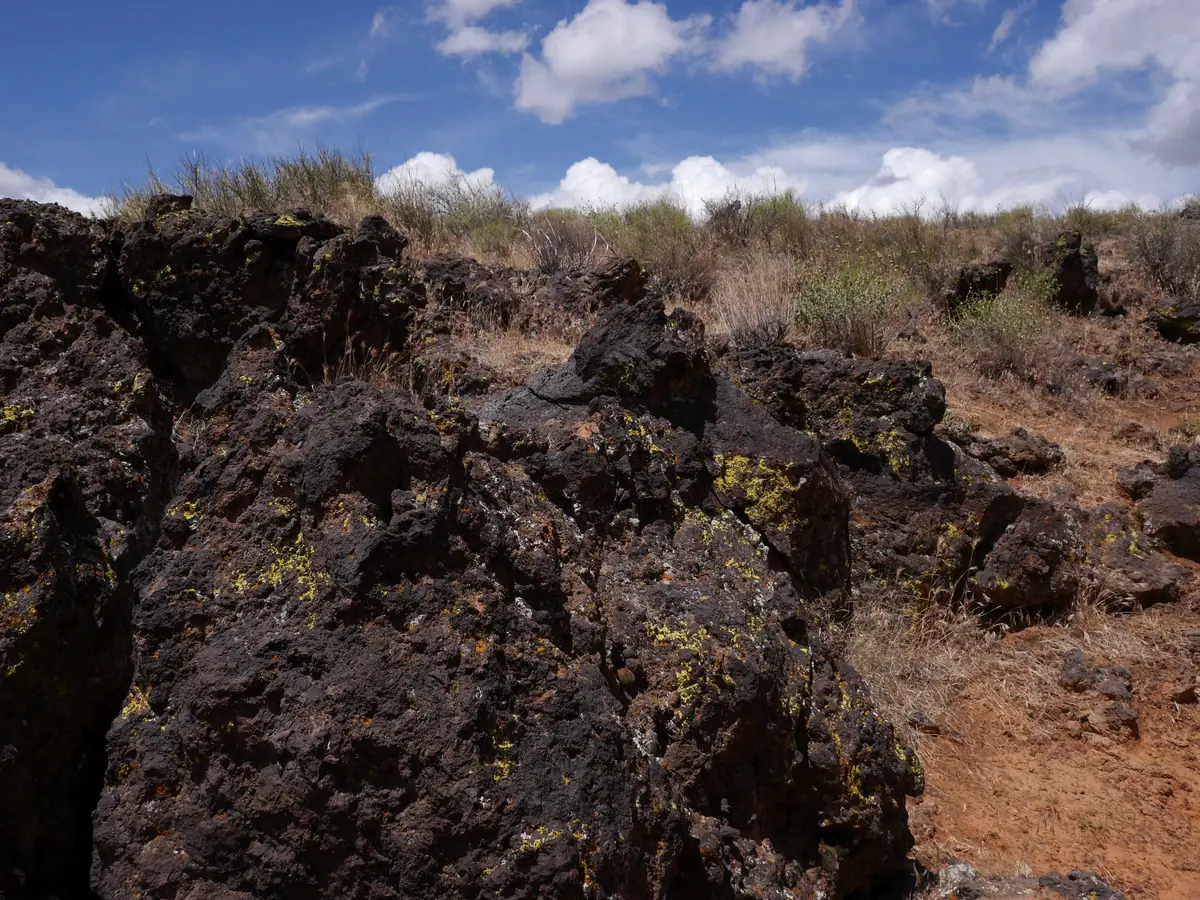
For a short first walk, Jenny’s Canyon is about 0.5 mile round trip, easy, about 20 minutes, from the Jenny’s Canyon trailhead. Pioneer Names is the same length and rating, about 20 minutes, and the park says it has the most shade of any hike there. Together they are a complete easy morning. The one-to-three-hour step, if everyone still has water, is Lava Flow: about 2.5 miles round trip, moderate, about 1.5 hours, on uneven lava. Petrified Dunes is the shorter moderate option, about 1.2 miles round trip and about 40 minutes, with steep slopes and little shade. Do not start either of those at 10:30 a.m. in July.
Leave the exposed trails before the hot window. Picnic, then use the scenic drive. For sunset, the park lists a Snow Canyon Scenic Overlook among the exterior lots where your day-use fee is valid, off Highway 18. We are not printing a sunset clock time. It changes every month, and the park page we checked does not publish one. The gate stays open until 10 p.m., which covers an evening stop. If the overlook lot is full, do not invent a roadside space. Park only in designated lots. More on that evening shape is on by time.
Two days
Day one is the longer trail while you are fresh. Whiterocks is about 4 miles round trip, moderate, about 2 hours, from the Whiterocks trailhead on Whiterocks Road off Highway 18. The park also notes a shorter, about one-mile route to the amphitheater from that parking area if 4 miles is too much. Lava Flow can take the morning instead if you would rather stay on the canyon road. Stop for water. The conditions page says 32 ounces per person per hour. Most trails have little shade.
After the heat builds, switch to the paved Whiptail trail and turn around whenever you want. The full path is about 6 miles round trip and about 3 hours, so the whole thing is the top of a one-to-three-hour window, not a required finish. It starts from the Upper Galoot parking lot and runs beside Snow Canyon Drive. Bikes share it. Scooters and skateboards are not allowed.
Day two is the short trails you skipped, plus the overlook if you did not go the night before. Hidden Pinyon is about 1.5 miles round trip, easy to moderate, about 45 minutes, with a self-guided nature trail. Sand Dunes is about 0.5 mile round trip and about 15 minutes, but the surface is deep sand, so it is a play stop more than a mileage hike. Johnson Canyon is closed March 15 through September 14 except by ranger-guided hike. Do not put it on a default two-day plan during those dates. Check the hiking page and current conditions the week you go.
What to carry is the day-pack loadout. What to wear by season is what to wear. Easier surfaces are on accessibility. How this day compares with Zion is on Snow Canyon or Zion.
.jpg)
Three days
Days one and two are the plan above. For day three, pick one:
- Paradise Canyon: the park brochure’s Paradise Canyon Loop from the Chuckwalla Trailhead (Chuckwalla, Beck Hill, Paradise Rim, about 4.7 miles, moderate), with views of St. George and Ivins. Cool months only.
- Zion day trip: Zion National Park is a separate park with its own fee and shuttle. Plan it on our sister site, zioncanyontours.com.
- Night sky: the park is open until 10 p.m. See stargazing and the Stargazing kit.
Family variant (little kids)
- Jenny’s Canyon (the brochure calls it a great children’s trail, leading to a short slot canyon) and Pioneer Names in the morning.
- The paved Whiptail trail for an easy out-and-back. Turn around whenever you want.
- Ask about the Junior Ranger booklet: see Junior Ranger.
More on toddlers. Pack the Family / Toddler kit.

Adventure variant
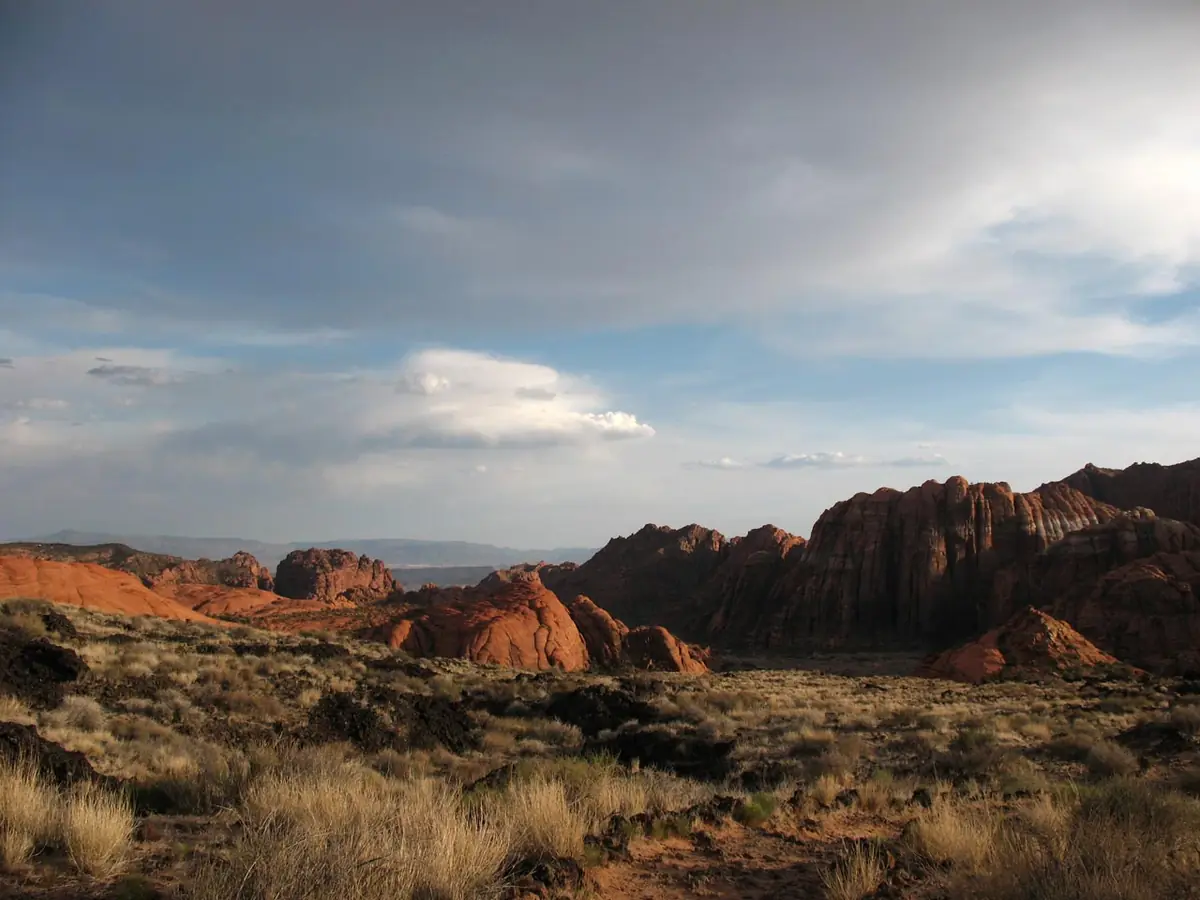
- The brochure’s Main Canyon Loop from the Hidden Pinyon Trailhead: Hidden Pinyon, Whiptail, a scramble over the Petrified Dunes, Butterfly, the lava tubes off Lava Flow (bring a flashlight), West Canyon Road and Red Sands. About 4 miles plus scrambling.
- Canyoneering in Arch Canyon or Island in the Sky needs an online permit (see reservations) and real skills.
- Cinder Cone (2 miles, difficult): a steep climb to the top of an extinct volcano.
Gear: Canyoneering Intro kit. All activity types are on experiences.
If you want a person to lead the walk, that is a partner trip, not ours. See tours for what to check before booking.